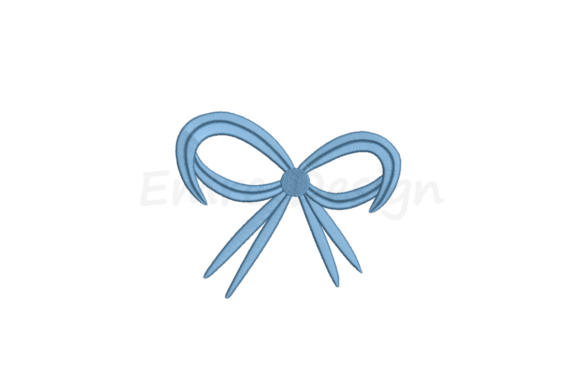
Side Bow Embroidery Design
A Practical Review for Small Business Merchandise & Branded Patches
As an embroidery designer who’s developed hundreds of commercial designs for cafés, boutiques, bakeries, florists, and handmade brands, I approach every machine embroidery design with two questions: “Does it communicate brand personality at a glance?” and “Will it hold up—visually and structurally—across real-world business applications?” The Side Bow Embroidery Design immediately stands out—not as a decorative flourish, but as a versatile, intentional asset for small business merch.
First Impression: Friendly, Whimsical, and Professionally Approachable
From its title and description—“Spruce up your fabrics with this charming embroidery design… fun and whimsical touch”—the Side Bow Embroidery Design signals warmth, craft, and gentle personality. It doesn’t read as corporate or rigid. Instead, it lands as handmade product-adjacent: think café aprons with hand-stitched charm, boutique tote bags that feel curated, or pet brand collars with quiet elegance. That “whimsical” note is key—it’s playful without being childish, decorative without sacrificing clarity. For businesses building trust through authenticity—like a local florist or ceramic studio—this tone reinforces approachability and care.
Real-World Performance Across Business Touchpoints
In practice, the Side Bow Embroidery Design shines where subtle branding matters most:
- Embroidered patches: Works beautifully as a 2”–3” woven or chenille-style patch sewn onto denim jackets, staff vests, or product packaging. Its balanced proportions prevent visual crowding, even when paired with text-based logos.
- Staff uniforms & aprons: Placed on the chest or sleeve cuff, it adds polish without overwhelming functional apparel. Unlike dense monograms, its open structure breathes on cotton twill or linen-blend aprons.
- Cap embroidery: When scaled to 1.75” wide (front panel), the bow retains shape and stitch integrity—especially with proper underlay and stabilizer. Avoid placing it directly over high-curve areas like the cap’s crown unless digitized for stretch compensation.
- Tote bag design & custom apparel: On canvas or heavy cotton, the design reads clearly at 3.5”–4”, offering visual rhythm beside a shop name or tagline. It also layers well in printable mockups for client presentations.
- Product labels & customer gifts: As a stitched accent on kraft gift tags, fabric-wrapped soap bundles, or ceramic jar sleeves, it elevates perceived value—signaling attention to detail that customers associate with premium handmade product.
Where to Use the Side Bow Embroidery Design Thoughtfully
This isn’t a one-size-fits-all motif. Strategic placement ensures longevity and professionalism:
- Avoid ultra-small patch sizes (<1.25”)—delicate bow loops may lose definition or cause thread breakage during commercial embroidery runs.
- Test on textured fabric like terry cloth (towels) or bouclé before full production—the design’s clean lines benefit from stable, low-pile surfaces.
- Dark uniforms demand contrast: Run a black-and-white test first. If the original embroidery file relies heavily on light thread fills, consider reversing fill directions or adding satin-stitch outlines for legibility.
- Frequent washing? Prioritize stitch density: Overly dense fills trap moisture and wear faster. Confirm the design balances coverage with breathability—especially for aprons or staff shirts.
- Curved surfaces (caps, sleeves) require digitizing adjustments. If your source file wasn’t optimized for stretch or seam distortion, re-digitize or request a cap-ready version.
How It Strengthens Brand Identity & Customer Trust
The Side Bow Embroidery Design isn’t just decoration—it’s a consistency anchor. When used across embroidered patches, tote bags, and apron embroidery, it creates visual rhythm that builds recognition. Customers subconsciously connect that bow shape with your café’s warm service, your florist’s seasonal arrangements, or your pet brand’s gentle ethos. That repetition fosters familiarity—and familiarity builds trust.
It also signals intentionality. A thoughtfully placed bow says, “We invested in quality execution,” not just logo placement. That perception lifts perceived product value, supports premium pricing, and differentiates your small business merch from mass-printed alternatives. For Etsy sellers and crafters, it becomes part of a cohesive design language—paired with consistent thread colors and placement—that makes digital embroidery files feel like true design assets, not afterthoughts.
Essential Embroidery Designer Notes Before Production
Before committing to bulk runs, treat the Side Bow Embroidery Design like any critical commercial embroidery asset:
- Run a black-and-white test sew-out to assess contrast and balance—especially if adapting for dark fabrics.
- Check how it scales at your target hoop size and smallest intended use (e.g., 1.5” cap front). Does spacing between bow elements remain legible?
- Review thread colors against your brand palette. A single-color version often performs better across diverse merchandise than multi-hue variants.
- Confirm stabilizer needs: lightweight cutaway for knits, medium tear-away for stable wovens, and fusible + tear-away for structured caps.
- Sew a sample on your actual fabric—not just muslin. Fabric texture changes tension, stitch lay, and perceived density.
- Create a printable mockup showing the design on final products (e.g., embroidered tote, staff apron) for client sign-off before digitizing adjustments.
- Compare it beside other design assets—logo, icon set, typography—to ensure visual harmony, not competition.
- Verify commercial licensing before using in client work or resale merchandise. Not all digital embroidery files include blanket rights for small business merch or branded patch production.
Ultimately, the Side Bow Embroidery Design earns its place in your embroidery library because it bridges aesthetic appeal and operational reliability. It’s not flashy—but it’s memorable. Not complex—but it rewards craftsmanship. And for small business owners, apparel decorators, and handmade brands building identity stitch by stitch, that balance is everything.