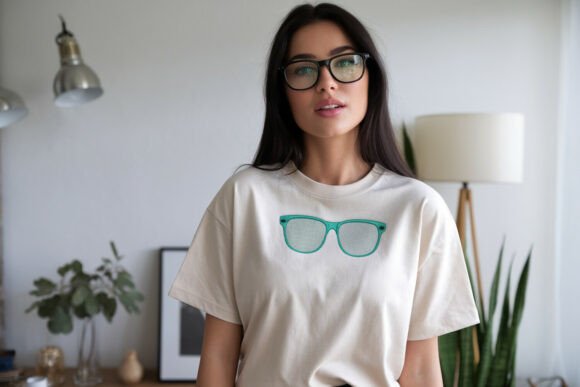
Hipster Glasses Embroidery
First Impressions: Playful, Modern, and Instantly Recognizable
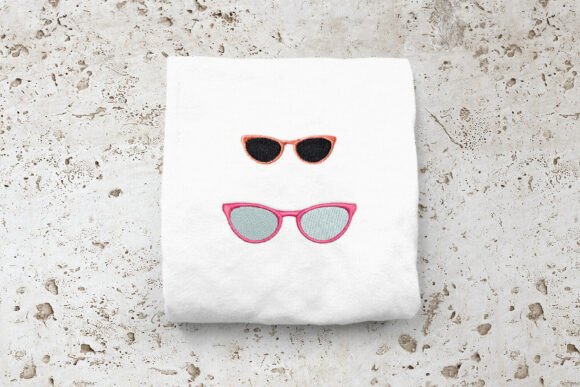
As an embroidery designer who’s tested hundreds of digital embroidery files for personalized gift shops, I opened Hipster Glasses Embroidery expecting charm—and got it instantly. The design strikes that rare balance: clean enough for modern minimalism, expressive enough to feel handmade, and just quirky enough to spark a smile. It’s not overly detailed—no tiny screws or lens reflections—but the frame curvature, subtle temple taper, and intentional negative space in the lenses give it real personality. Whether stitched in matte black thread on ivory linen or vibrant turquoise on charcoal cotton, it reads as confident, approachable, and thoughtfully composed. This isn’t a novelty doodle—it’s a cohesive, emotionally resonant motif that feels at home on both baby onesies and wedding pillow covers.
Where Hipster Glasses Embroidery Shines in Real Gift-Making
I tested Hipster Glasses Embroidery across six high-demand product categories—and each time, it elevated perceived value without overcomplicating production:
- Baby embroidery: On organic cotton receiving blankets and knit nursery bibs, it reads as sweetly intellectual—not cutesy, not clinical. Perfect for bookish parents or literary-themed baby showers.
- Wedding gift: Stitched in champagne gold thread on linen napkins or monogrammed pillow covers, it adds quiet wit to formal settings. Guests notice it; couples remember it.
- Embroidered towel & kitchen linen: Works beautifully on terry cloth when stabilized properly—especially on hand towels where the glasses sit cleanly above the hemline.
- Pillow cover & blanket embroidery: At medium sizes (3.5"–4.5"), it anchors solid-color throws and velvet cushions with understated character.
- Tote bag & apron: Holds up well on canvas and midweight denim. The frame shape fills space gracefully without competing with text or logos.
- Etsy seller & craft fair staple: As a digital embroidery file, it’s versatile enough for seasonal bundles (“Book Lovers Collection”) or evergreen listings. Customers love personalizing with names or dates nearby.
Smart Placement Matters—Here’s Where to Proceed Thoughtfully
Like any strong design, Hipster Glasses Embroidery rewards intentionality. Avoid using it where its strengths become liabilities:
- Small lettering or fine detail zones: Don’t crowd it next to delicate script monograms—the frame needs breathing room.
- High-texture fabrics: Heavy bouclé or nubby wool blends can obscure lens definition. Stick to smooth weaves like cotton poplin, linen, or quilting cotton for best clarity.
- Thick towels & stretchy baby clothes: Requires extra stabilizer layers (cut-away + tear-away combo) and slower stitching speeds. Test first.
- Curved surfaces (mugs, curved tote handles): Not ideal—embroidery doesn’t conform well. Reserve for flat panels only.
- Dark fabric without contrast testing: Light thread on black fabric may lack pop unless you choose high-sheen rayon or metallic. Always mock up.
- Frequently washed items (baby bodysuits, dish towels): Use high-quality polyester thread and lock stitches tightly. Confirm wash durability in your own test run.
Why This Design Builds Trust—and Sales—for Small Shops
For Etsy sellers and small shop owners, Hipster Glasses Embroidery does more than decorate—it deepens connection. Its modern-but-timeless vibe signals care in curation. When customers see it on a custom tote or nursery pillow, they don’t just see “glasses”—they see identity, humor, warmth. That translates directly to better product photography (clean lines = crisp social media shots), higher engagement (tags like #booknerdgift or #modernwedding get traction), and stronger repeat orders. Because it’s adaptable—not tied to one season or trend—it becomes a reliable workhorse in your digital embroidery file library. Handmade quality shines through in the balanced stitch density and thoughtful digitization—no skipped jumps, no thread nests in the temples. That consistency builds customer trust faster than any description ever could.
Practical Embroidery Notes You’ll Want to Follow
Before stitching your first customer order, do these five things:
- Test on scrap fabric that matches your intended product—same weight, weave, and stretch.
- Check thread color contrast by stitching both lens options (sunglass black vs. reading-glass clear/ivory) on light and dark fabric swatches.
- Confirm hoop size compatibility—the largest version may require a 5x7” hoop or larger. Measure before digitizing placement.
- Review stitch density visually in your embroidery software—look for even coverage in the frame, no thinning at curves.
- Use proper stabilizer: medium-weight cut-away for stable fabrics, fusible + tear-away for knits or towels. Never skip this step.
Also: compare light and dark fabric mockups side-by-side, inspect small details after stitching (especially lens edges), and verify commercial licensing terms before selling finished products. Since the product listing confirms 8 formats and 10 sizes included in a zip file DST, EXP, double-check that all formats load correctly in your machine or software—and confirm compatibility with your embroidery system before listing.
A Design That Fits Right Into Your Personalized Gift Workflow
Hipster Glasses Embroidery isn’t flashy—but it’s quietly powerful. It fits naturally into accessories collections, pairs effortlessly with typography-based designs, and gives handmade product creators a fresh way to celebrate individuality. Whether you’re stitching for a newborn’s first library card celebration, a couple’s “meet-cute-at-a-bookstore” wedding, or a teacher’s appreciation gift, this embroidery file delivers charm without cliché. It’s modern enough for today’s aesthetic, timeless enough to last beyond trends—and practical enough to stitch reliably, day after day. For anyone curating meaningful, machine-embroidered gifts, it’s not just another design. It’s a conversation starter, a brand enhancer, and a quietly confident addition to your embroidery toolkit.