Intricate Floral Elephant Embroidery Design
First Impression: Elegant, Story-Driven, and Instantly Memorable
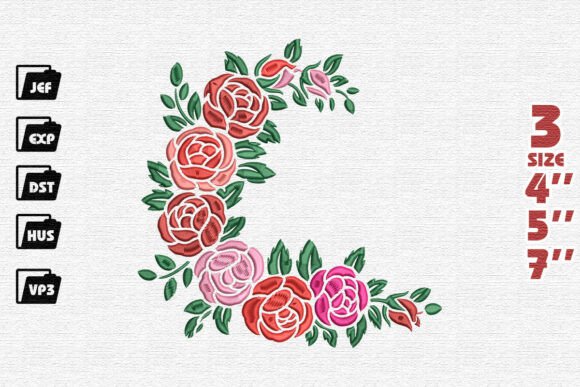
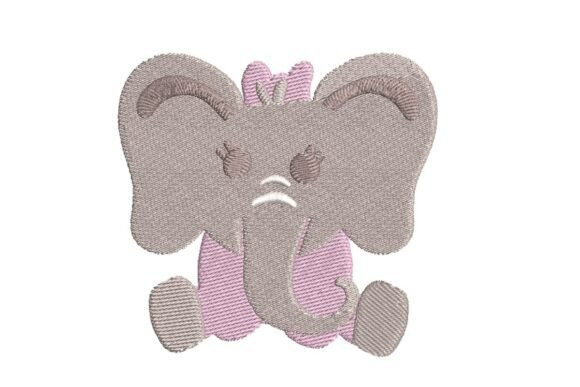
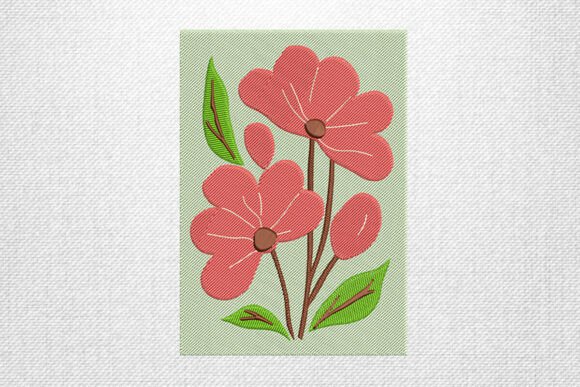
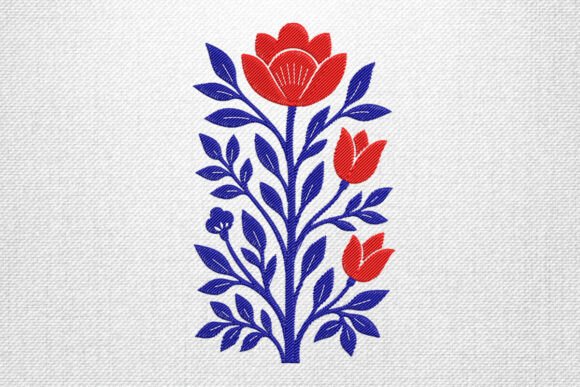
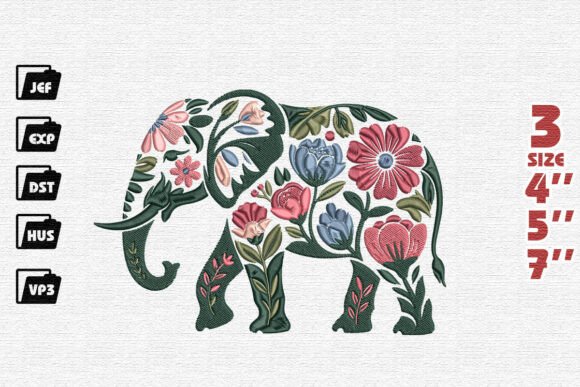
As an embroidery designer who’s curated over 200 craft fair booths—and watched thousands of shoppers pause, point, and reach for one item over another—I can tell you this: Intricate Floral Elephant Embroidery Design lands with quiet confidence. It’s not loud or trendy. It’s elegant, decorative, and deeply story-driven. The fusion of elephant silhouette and blooming garden suggests strength, wisdom, and natural beauty—resonating with customers who value meaning in their handmade purchases. It reads as premium, not playful; refined, not rustic. That matters immensely when your booth competes with 40 others selling tea towels and tote bags.
Where It Shines: Craft Fair Product Placement That Converts
This design doesn’t work equally well on every surface—and that’s good. Knowing where it performs best saves time, thread, and booth real estate.
- Tote bag design: Ideal as a centered chest or lower-front focal piece. The scale lets floral details breathe, and the elephant shape anchors the composition. Customers notice it from three feet away—even among crowded market bags.
- Apron embroidery: Works beautifully above the pocket or along the bib curve. Its vertical flow complements apron lines, and the elegance elevates a functional item into a boutique-ready handmade product.
- Tea towel embroidery: Strong on high-thread-count linen or cotton. Avoid overly textured or looped terry—we’ll revisit why below. When placed in the upper third, it becomes a conversation starter at kitchenware tables.
- Embroidered patch: Highly effective as a sew-on or iron-on accent. Small-shop product owners love using these on denim jackets or canvas pouches—giving buyers a way to personalize without committing to full embroidery.
- Pillow covers & small pouches: A standout when scaled down thoughtfully. On 12"–16" pillows, it reads clearly and adds heirloom weight. On fabric pouches, it feels intentional—not “cute” but curated.
Less ideal? Caps and curved surfaces. The fine floral elements risk distortion on tight curves, and dense stitch areas may pucker without precise digitizing adjustments. Save it for flat, stable substrates first.
What Makes It Sell—And What Requires Caution
The Intricate Floral Elephant Embroidery Design earns attention because it balances symbolism and craftsmanship. Shoppers don’t just see “an elephant”—they see intention. That perception lifts perceived value, especially for Etsy sellers pricing handmade goods at $35–$75. But elegance demands execution discipline.
Careful-Use Notes Every Embroiderer Must Check
- Dense stitch areas: Floral fill sections likely carry higher stitch density. Test on scrap fabric before batch production—especially for tea towel embroidery, where heavy stitching can stiffen absorbency.
- Tiny details: Delicate petals or vine tendrils may blur on dark fabric or low-thread-count cotton. Always verify thread contrast—ecru on navy is lovely, but only if the digitizing preserves edge clarity.
- Fabric texture matters: Avoid heavily napped or quilted surfaces. The design’s intricacy needs smooth ground—think medium-weight linen, poplin, or twill—not burlap or thick canvas unless stabilized aggressively.
- Minimum size threshold: Below 3.5" wide, subtle contours fade. This isn’t a tiny corner accent—it’s a statement. Use it large enough to read as *floral*, not just *blobby*.
Photography, Mockups, and Online Appeal
This design photographs exceptionally well—if you light it right. Soft, even lighting reveals petal layering and elephant silhouette definition. For Etsy listings, pair a clean printable mockup with one real-life shot: a linen tea towel draped over a wooden counter, or a canvas tote resting beside dried lavender. That context signals quality, not clipart. As a digital embroidery file, its visual cohesion makes it easy to brand across collections—imagine pairing it with other Bouquets-themed designs (like botanical hummingbirds or peony borders) to build a cohesive design assets library.
Production Realities: From File to Finished Product
Before cutting fabric or loading hoops, run these checks:
- Test the embroidery file on scrap fabric matching your intended product—same weight, same weave, same dye lot.
- Confirm thread colors translate well across your palette. Does the ivory petal thread read as soft or muddy on oat-colored linen?
- Review spacing between floral elements and elephant outline. Tight gaps may collapse in stitching—especially on stretchy or loosely woven fabrics.
- Verify hoop size compatibility. If the design exceeds 5" x 7", confirm your machine and stabilizer setup can handle it cleanly.
- Inspect stitch density in key zones—petal tips, trunk curves, inner ear filigree. Over-stitching here risks puckering; under-stitching loses definition.
- Choose stabilizer intentionally: tear-away for stable wovens, cut-away for knits or lightweight linens, and fusible + tear-away combo for textured tea towels.
- Create at least one physical mockup before fair weekend. Nothing replaces holding a finished embroidered pillow cover and seeing how light catches the raised stitches.
- Compare fabric colors side-by-side. Ivory thread on cream linen reads differently than on oat or beige—small shifts impact perceived luxury.
- Confirm commercial licensing status. If selling finished products (not just the digital embroidery file), ensure your license permits commercial embroidery use.
Booth Impact and Buyer Engagement
At a craft fair, Intricate Floral Elephant Embroidery Design functions like a silent ambassador. It doesn’t shout—but it invites leaning in, asking questions, touching the texture. That tactile moment is where sales happen. When paired with complementary handmade products (e.g., hand-poured soy candles labeled with matching floral typography), it strengthens brand consistency and booth display strength. Buyers remember the feeling—not just the item. And for creative entrepreneurs building a recognizable aesthetic? This design isn’t filler. It’s signature.
Final Thought: Meaning Meets Makeability
This isn’t just another machine embroidery design. It’s a bridge between symbolic storytelling and technical execution. For embroidery business owners, it’s a chance to stand out with something emotionally resonant yet commercially viable. For Etsy sellers and small shop product makers, it’s a versatile anchor piece—one that works across categories (Bouquets, Embroidery, home + apparel) without diluting its voice. Just remember: elegance isn’t accidental. It’s earned through testing, restraint, and respect for both the design and the fabric it lives on.