Faith over Fear Christian Embroidery
First Impressions: A Design That Speaks Before It’s Stitched
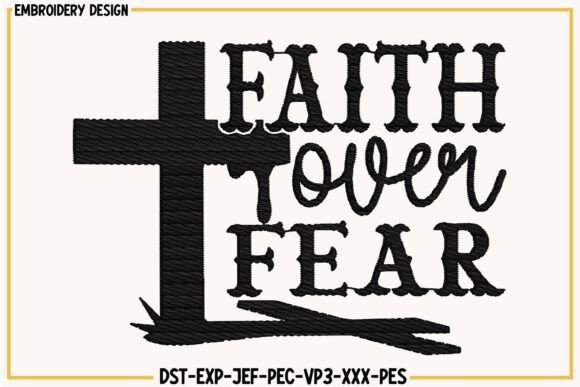
As an embroidery designer who’s tested hundreds of digital embroidery files for small shops and Etsy sellers, I opened Faith over Fear Christian Embroidery expecting sincerity—but what I found was quiet confidence. The layout balances reverence with approachability: clean letterforms, gentle curve in the “o”s, subtle lift in the “F” and “R”, and just enough negative space to let faith breathe. It doesn’t shout—it invites. This isn’t ornate calligraphy or vintage script; it’s modern-minimalist with soul. Think soft linen napkins, oatmeal baby blankets, ivory pillow covers, and unbleached cotton totes—not flashy sequins or metallic thread overload. Its charm lies in restraint: it feels handmade without looking fragile, elegant without being stiff, and deeply personal without needing a cross or dove to signal its heart.
Where This Design Truly Shines in Personalized Gifting
Faith over Fear Christian Embroidery is a natural fit for moments when meaning matters more than mass appeal. For baby embroidery, it’s tender on a receiving blanket or onesie (paired with a tiny olive branch motif or monogram), offering quiet hope instead of cliché. As a wedding gift, it elevates a custom tea towel or linen napkin set—especially for couples who value intentionality over tradition. I’ve used it on pillow covers for newlyweds’ guest rooms and embroidered towels for kitchen registries, where its calm clarity reads beautifully even at arm’s length.
It also works beautifully for family keepsakes: stitch it onto a quilt square commemorating a milestone, add it to a memory box lid for a child’s first Bible, or embroider it subtly on the hem of a nursery curtain. For craft fairs and Etsy listings, it’s a standout among generic “blessed” designs—its phrasing resonates across denominations and life stages, making it inclusive yet distinct. Small shop owners love how it photographs: crisp on light fabric, warm and grounded on natural weaves, and always legible in lifestyle shots. Customers don’t just buy a stitched phrase—they buy reassurance, identity, and quiet strength made tangible.
Smart Placement Matters: Where to Use It Thoughtfully
Like any strong machine embroidery design, Faith over Fear Christian Embroidery rewards thoughtful application—and reveals its limits when rushed. Avoid placing it on highly textured fabric like terry cloth towels unless you’re using heavy cutaway stabilizer and reducing stitch density slightly—the lettering can blur in the pile. On stretchy baby clothes (think knit bodysuits), test first: the design’s clean lines hold up best on stable knits or woven blends, not ultra-stretch jersey.
Small lettering demands attention: if your version includes fine serifs or tight kerning, skip curved surfaces like mug cozies or rounded tote handles—distortion creeps in fast. Dark fabric? Confirm thread color contrast before stitching; white or ecru thread may need a second pass or underlay for full opacity. And for products that face frequent washing—baby blankets, aprons, kitchen linens—reinforce the back with tear-away + cutaway combo stabilizer and verify thread tension holds through multiple cycles.
Why Gift Buyers Connect With This Design
This isn’t just another embroidery file—it’s an emotional shorthand. When customers search for “meaningful Christian gift” or “faith-based baby present,” Faith over Fear Christian Embroidery meets them where they are: seeking comfort, courage, or quiet conviction. That resonance lifts perceived value instantly. A $28 embroidered towel feels like a keepsake, not a kitchen accessory. An Etsy seller listing this as part of a “New Mom Faith Bundle” sees higher engagement because buyers recognize authenticity—not religious performance, but lived belief.
It builds trust, too. Handmade product shoppers scan for signs of care: balanced spacing, smooth satin stitches, no jagged jump threads. This design delivers that polish. Pair it with quality fabric and thoughtful packaging, and it becomes a story you’re proud to tell—not just sell. In product photography, it draws the eye without competing with background textures, making flat lays and mockups feel intentional and serene.
Practical Notes Every Embroiderer Should Check
Before stitching your first customer order, run these checks:
- Test on scrap fabric—especially if using a new stabilizer combo or unfamiliar thread brand.
- Confirm hoop size compatibility—some versions may require 4x4, others 5x7. Measure your design dimensions against your machine’s max area.
- Review stitch density—if it feels heavy on lightweight cotton, reduce density by 5–10% in your software.
- Use proper stabilizer: medium-weight cutaway for bags and towels, tear-away for stable wovens, and fusible + tear-away for knits.
- Compare light and dark fabric mockups—many digital embroidery files include color suggestions, but your thread palette should match your brand’s aesthetic.
- Check small details after stitching—zoom in on corners and inner curves; re-hoop if letters look pinched or distorted.
- Verify commercial licensing—since you’re selling finished products, confirm the digital embroidery file permits commercial embroidery use. If unclear, contact the designer before listing.
A Design That Earns Its Place on Meaningful Products
Faith over Fear Christian Embroidery stands out because it avoids trend-chasing. It doesn’t lean into seasonal motifs or viral phrases—it speaks with consistency, clarity, and grace. For baby product creators, it adds tenderness without saccharine sweetness. For wedding gift designers, it offers depth without dogma. For Etsy sellers and small shop owners, it converts because it feels both personal and polished—a rare balance in the handmade space.
When you choose this embroidery file, you’re not just adding text to fabric—you’re anchoring a feeling. And in a world hungry for authenticity, that’s the kind of personalized gift that gets framed, folded into drawers with care, and passed down—not just used, but cherished.