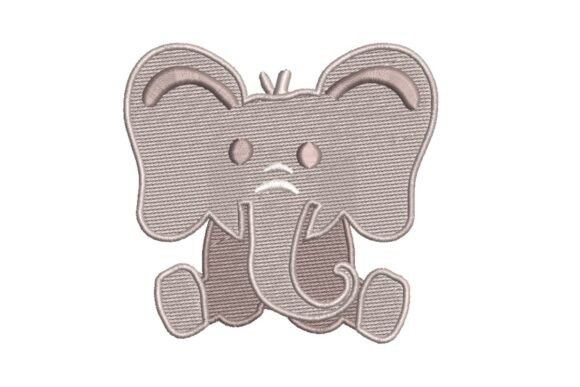
Cute Sitting Baby Elephant Embroidery Design
First Impression: Soft, Sweet, and Instantly Recognizable
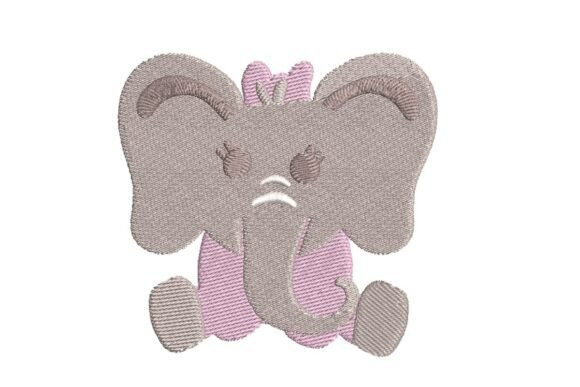
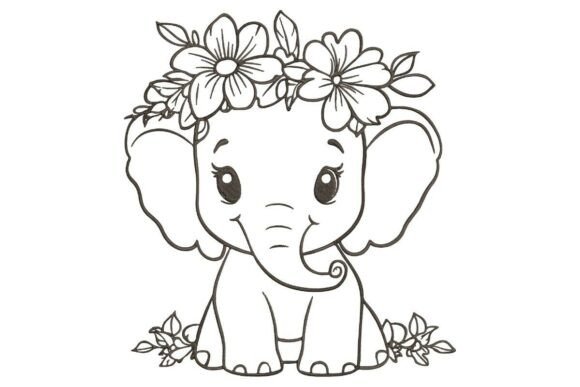
As an embroidery designer who’s prepped over 200 craft fair booths—and watched thousands of shoppers pause at a single stitch—I can tell you this: Cute Sitting Baby Elephant Embroidery Design lands with quiet confidence. It’s not bold or flashy. It’s soft, sweet, and gently nostalgic—a design that whispers “handmade care” rather than shouts “sale.” The sitting pose, floppy ears, and upward-curling trunk create immediate warmth and approachability. This isn’t a cartoon elephant; it’s a baby animal with emotional resonance—ideal for the Baby Animals category, yes, but more importantly, perfect for customers seeking sincerity in their handmade product.
Where It Shines: Craft Fair Product Placement That Converts
In my booth setup, I always lead with tactile, giftable items—and Cute Sitting Baby Elephant Embroidery Design excels on three high-impact pieces: tea towel embroidery, embroidered patch, and tote bag design. Why?
- Tea towels: The sitting posture fits neatly within standard 8" × 12" towel borders. Large ears read clearly even from 6 feet away, and the curled trunk adds just enough detail to feel special—not busy.
- Embroidered patches: At 3–4" wide, this design holds shape beautifully. It’s compact enough for iron-on backing, yet expressive enough to stand alone on denim jackets or baby blankets—making it a top seller for Etsy sellers and boutique makers.
- Tote bags: Centered on natural canvas or unbleached cotton, it reads as premium, not cutesy. Paired with minimalist typography (“Little One” or “Made with Love”), it becomes a small shop product with quiet luxury appeal.
It also works well on apron embroidery (left chest placement), pillow covers (centered front), and fabric pouches (front panel). Avoid it on curved cap surfaces unless resized and re-digitized—it lacks the stretch tolerance needed for commercial headwear.
What Makes It Sell? Clarity, Consistency, and Emotional Hook
This machine embroidery design wins because it’s instantly legible. No squinting. No decoding. At craft fairs, where attention spans are measured in seconds, that matters more than complexity. Shoppers recognize “elephant,” “baby,” and “sitting” in under two seconds—triggering associations with kindness, memory, and gentle strength.
That clarity also supports batch production. Whether stitching 12 tea towels or 50 patches, the design scales predictably. There’s no tiny lettering or micro-detail that vanishes at 3" width—so your finished product stays consistent across inventory. And because it’s inherently non-seasonal, it performs year-round: baby showers, Mother’s Day, grandparents’ gifts, nursery decor, even sympathy tokens.
Photography & Online Appeal: A Strong Etsy Seller Asset
For Etsy sellers and digital sellers, Cute Sitting Baby Elephant Embroidery Design photographs exceptionally well. Its rounded forms and open negative space translate cleanly into printable mockups—no pixelation, no lost definition. On light fabric, thread colors pop without glare; on oatmeal or charcoal linen, it gains subtle sophistication. Use soft natural light and a clean background, and your listing will convey handmade quality before a single word is read.
Pair it with lifestyle shots: a stitched tote beside baby shoes, a patch sewn onto a linen bib, or a pillow cover resting on a woven basket. These visuals reinforce its role as a craft fair product—not just a digital embroidery file, but part of a thoughtful, cohesive story.
Production Notes Every Embroidery Designer Should Check
Before cutting fabric or loading hoops, run these practical checks:
- Test on scrap fabric first—especially if using textured towels or thick canvas. Floppy ears may pucker without proper stabilizer.
- Confirm thread contrast: Light gray or heathered fabric needs slightly darker thread in ear/trunk areas to preserve dimension.
- Review spacing and stitch density: While the description doesn’t specify density, any dense fill in the ear base could cause stiffness on lightweight fabrics—adjust if needed.
- Verify hoop size compatibility: If your machine uses smaller hoops (e.g., 4" × 4"), confirm the design fits—or plan for repositioning on larger items like aprons.
- Compare fabric colors: The design’s charm lies in softness—avoid high-contrast combos (neon thread on black) unless intentionally modernizing the mood.
- Confirm commercial licensing: Since you’re selling finished goods—not just the embroidery file—ensure your license permits resale of physical products.
Careful-Use Considerations for Real-World Production
This design is forgiving—but not universal. Steer clear of:
- Dark fabric without underlay testing: Tiny trunk curl details may blur without sufficient base stitches.
- Heavy textures (like burlap or looped terry): Floppy ears rely on smooth fabric flow—textured surfaces mute definition.
- Sizes under 2.5": The trunk curl and ear curve lose expressiveness; reserve for patches or small pouches only when enlarged to at least 3".
- Overly dense stabilizer stacks: Too much backing can flatten the plush, organic feel—opt for medium-weight cutaway or tear-away depending on fabric weight.
Why It Strengthens Your Booth & Brand
In a sea of glitter, florals, and typography, Cute Sitting Baby Elephant Embroidery Design offers grounded warmth. It draws families, gift buyers, and collectors—not just crafters. When displayed alongside coordinating items (e.g., matching tea towel + pouch + patch set), it builds brand consistency and encourages multi-item carts. More importantly, it signals intentionality: you didn’t grab a trending file—you chose something tender, timeless, and true to handmade values.
At the end of the day, great commercial embroidery isn’t about complexity—it’s about connection. This embroidery design connects. And in the world of craft fairs, handmade markets, and Etsy shops, that’s how sales begin.