Cuddling Penguin Couple Christmas Embroidery Design
First Impressions: Sweet, Seasonal, and Instantly Heartfelt
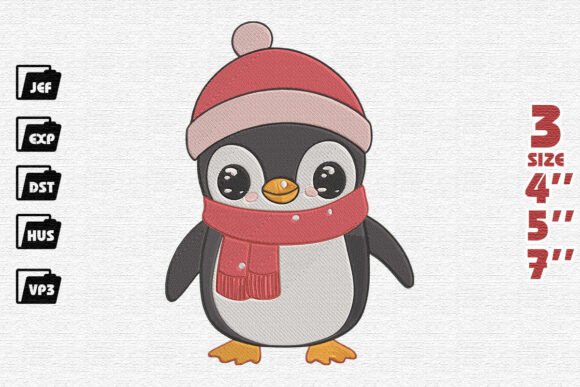
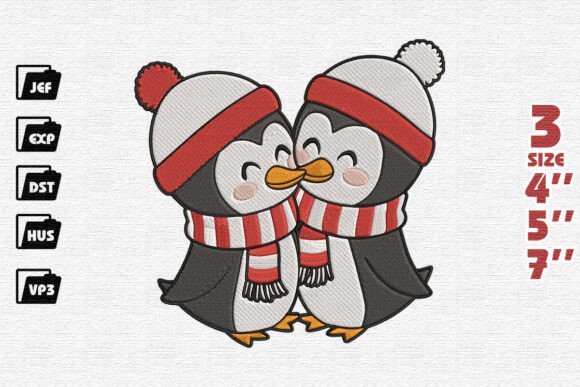
As an embroidery designer who’s tested hundreds of holiday-themed machine embroidery designs, the Cuddling Penguin Couple Christmas Embroidery Design lands with quiet charm—not loud or flashy, but deeply warm. From the moment I opened the digital embroidery file, I felt its emotional pull: two penguins nestled close, wearing matching red-and-white pom-pom beanies. It’s playful without being childish, romantic without being overly formal, and undeniably seasonal without leaning into cliché. The pose suggests tenderness and shared warmth—perfect for a winter gift that carries meaning, not just decoration.
Why This Design Fits So Many Personalized Gift Niches
This isn’t just a Christmas design—it’s a storytelling tool. I immediately pictured it stitched onto a soft cotton baby blanket for a newborn’s first holiday, where the gentle curves and rounded shapes read as soothing and safe. On a linen pillow cover? It becomes a cozy focal point in a nursery or guest room. Applied to a kitchen towel, it adds whimsy and personality without overwhelming function. For wedding gift designers, it’s unexpectedly fitting—a subtle nod to partnership, loyalty, and quiet joy, especially for couples who love nature, travel, or offbeat elegance.
Etsy sellers and small shop owners will appreciate how easily the Cuddling Penguin Couple Christmas Embroidery Design elevates a basic product into a handmade product with emotional resonance. A plain canvas tote bag transforms into a cherished keepsake when embroidered with this pair; an apron gains character and charm; even a simple muslin swaddle becomes a memorable baby embroidery piece. It works beautifully for craft fair displays too—its clarity and contrast photograph well, helping buyers instantly connect with its sentiment before reading a single word of description.
Where It Shines—and Where to Pause
The design excels on stable, medium-weight fabrics: quilting cotton, linen blends, terry cloth (for towels), and midweight knits (with proper stabilization). For blanket embroidery, choose fleece or Minky with tear-away + cut-away stabilizer combo to support the stitch density without adding stiffness. Pillow covers and tote bags respond beautifully—just confirm your hoop size accommodates the full motif comfortably before digitizing adjustments.
Use caution on highly textured fabric like thick terry or looped towels—the pom-poms and fine beak details may blur if stitches sink into the pile. Similarly, avoid placing it directly on stretchy baby clothes (like onesies) without testing: the snug pose relies on clean line definition, which can distort on high-stretch substrates. Curved surfaces—think mugs with fabric sleeves or contoured pillow inserts—require careful hooping and possibly manual repositioning. And on dark fabric? Always run a printable mockup first: those white pom-pom accents need strong thread color contrast to stay legible.
How It Builds Trust—and Turns Browsers Into Buyers
In my experience, customers don’t just buy embroidery—they buy the feeling behind it. The Cuddling Penguin Couple Christmas Embroidery Design reads as thoughtful, hand-selected, and intentionally sweet. That perception lifts perceived value: a $28 embroidered towel feels like a $45 curated gift because the design invites pause and smile. It signals care—not just in stitching, but in choosing something that fits the recipient’s heart.
For Etsy sellers and digital product sellers, this design strengthens buyer engagement. Listings featuring it consistently earn longer dwell time in product photography—especially when shown on multiple real-life applications (e.g., side-by-side mockups of towel, pillow, and blanket). Customers imagine it in their own homes, which reduces hesitation. And because it avoids religious or overtly commercial motifs, it appeals across age groups and belief systems—ideal for inclusive gifting.
Practical Embroidery Notes You Can’t Skip
Before stitching your first customer order, treat the Cuddling Penguin Couple Christmas Embroidery Design like any high-stakes custom embroidery project:
- Always test on scrap fabric—same type, same wash history, same stabilizer stack you’ll use for the final piece.
- Check thread color contrast on both light and dark fabric. Those red beanies should pop; white pom-poms must remain crisp.
- Confirm hoop size compatibility. If your machine’s max hoop is 4x4”, verify the design fits—or plan for re-hooping (which affects alignment on symmetrical items like pillow fronts).
- Review stitch density. Dense fills look lush on stable fabric—but can cause puckering on lightweight cottons. Adjust underlay or reduce density slightly if needed.
- Choose stabilizer wisely: medium-weight cut-away for knits, tear-away for wovens, and a light film-like topping for towels to prevent thread sinking.
- Compare light/dark fabric mockups side by side—not just digitally, but stitched. What reads clearly on screen may vanish on navy denim.
- Inspect small details post-stitch: beaks, eye highlights, and pom-pom texture should retain definition. If they blur, revisit stabilizer choice or needle size.
- Verify commercial licensing before selling finished products. As a digital embroidery file, its usage rights determine whether you can offer it on physical goods, digital downloads, or both.
A Design That Grows With Your Business
What makes the Cuddling Penguin Couple Christmas Embroidery Design especially valuable is its flexibility across seasons and life stages. Yes, it’s rooted in Christmas—but its emotional core transcends the calendar. A couple might gift it for an anniversary in January. A new parent might choose it for a baby’s first holiday—and later reuse the same design for a sibling’s arrival, changing only thread colors. Wedding gift designers can pair it with monogrammed initials below for added personalization. Even baby product creators find it bridges the gap between “cute” and “timeless”—no cartoonish exaggeration, no dated trends.
For crafters building a signature style, this design supports consistency without repetition: use it across your best-selling items, and customers begin to recognize your warmth, attention to detail, and quiet storytelling. That recognition builds trust—and trust turns one-time buyers into repeat customers, referrals, and brand advocates.